From cafes and sneakers to wellness clubs and curated experiences, the meaning of ‘luxury’ is changing.
For Gen Z, luxury does not always mean a designer bag or an expensive watch. It can mean a premium gym membership, a wellness retreat, speciality coffee, a skincare routine, a concert, a weekend getaway or a personalised experience – trends that social media has made more accessible to young, affluent Indians.
The challenge is that many of these expenses appear small when viewed individually. But when repeated throughout the year, they quietly become a significant part of one’s spending.
Where does the money actually go?
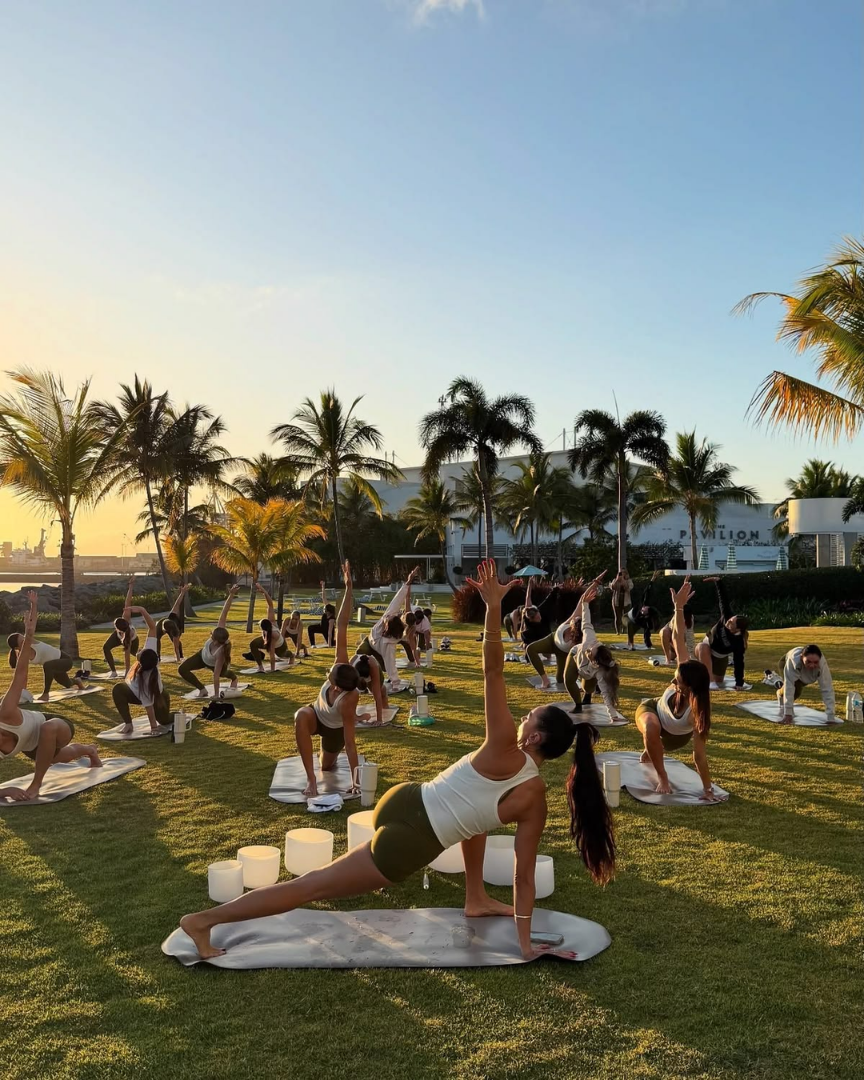
Fitness | Wellness: Fitness is no longer limited to a regular gym. Premium gyms, Pilates, yoga, running clubs, personal training, recovery programmes and wellness retreats are becoming part of the lifestyle.
(Illustrative annual spending: ₹50,000–₹150,000+)
Fashion | Accessories: Fashion today is about creating a personal style. Clothing, sneakers, bags, jewellery, watches, accessories and gymwear can all add to the annual spend. The cost may not come from one large purchase—it often comes from regularly maintaining a certain look and lifestyle.
(Illustrative annual spending: ₹50,000–₹150,000+)
Cafes | Restaurants | Coffee: A cafe is no longer just a place to have coffee. It can be a place to meet friends, work, study, date or create content. Speciality coffee, matcha, brunches and premium restaurants have become part of the social experience. A few hundred rupees spent several times a week can quietly become a large annual expense.
(Illustrative annual spending: ₹50,000–₹120,000)
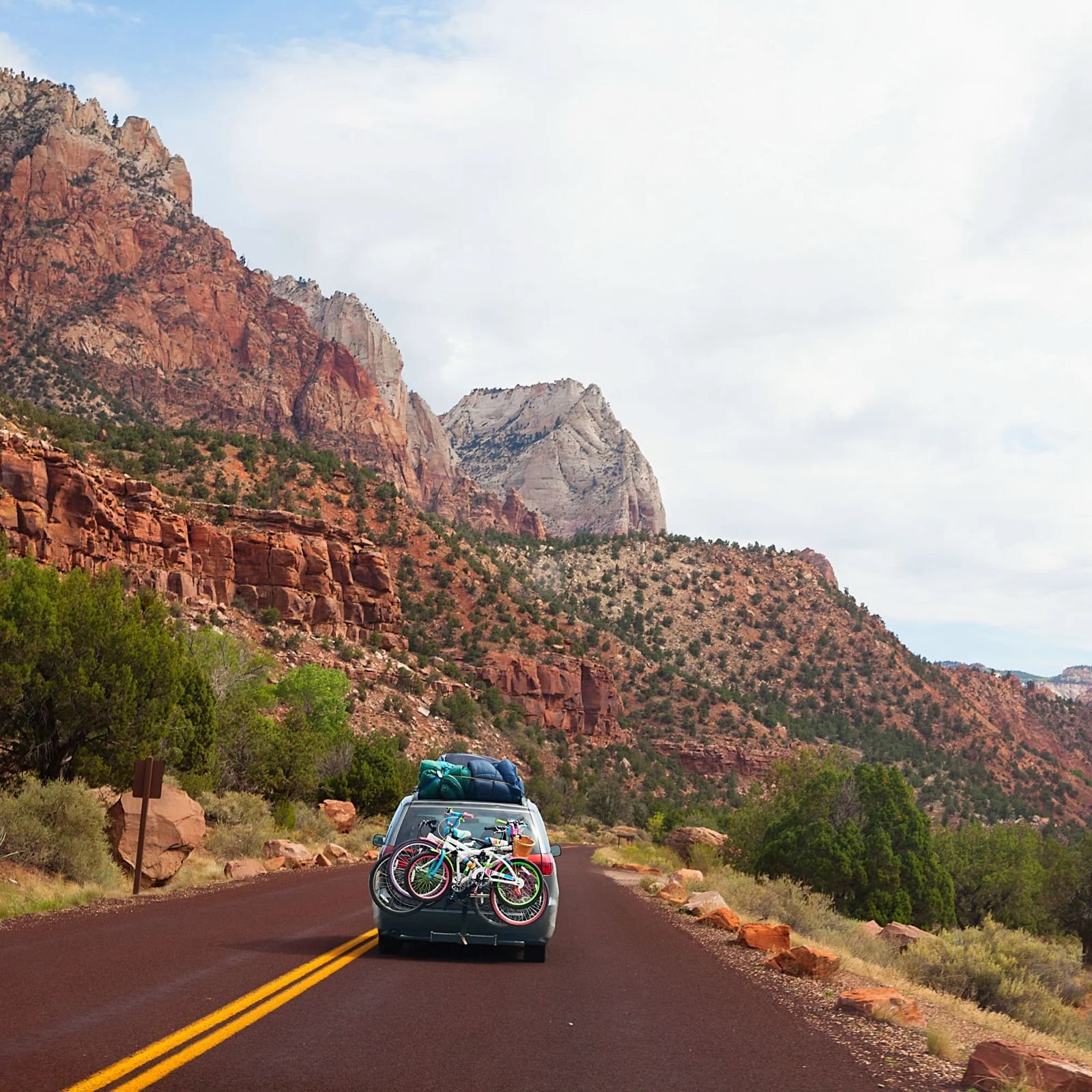
Travel and Experiences: Young affluent consumers are increasingly choosing experiences over possessions. Weekend getaways, premium stays, villas, unique activities, workshops and wellness experiences are competing for the same discretionary income.
(Illustrative annual spending: ₹50,000–₹150,000+)
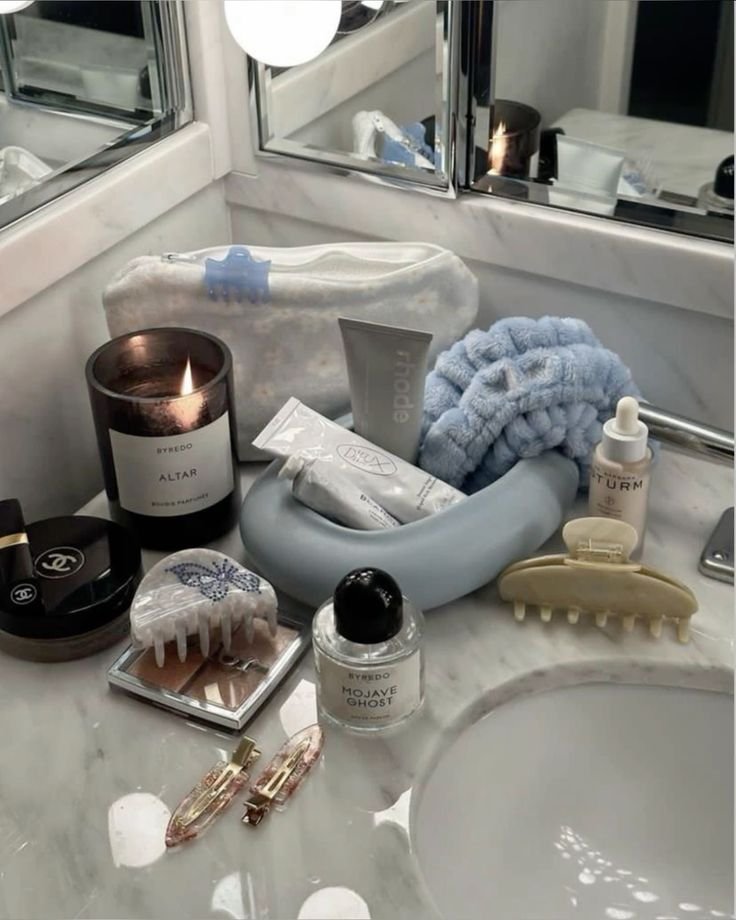
Beauty and Personal Care: Skincare, haircare, fragrances, grooming, makeup and salon treatments can become regular expenses. Social media has also made premium and trend-led beauty products more popular.
(Illustrative annual spending: ₹40,000–₹100,000+)
Concerts and Social Events: Concerts, comedy shows, festivals, sporting events, clubs, birthdays and private gatherings are also part of the lifestyle budget. The cost of an event is rarely limited to the ticket—dining, travel, accommodation and even a new outfit can add to the total.
(Illustrative annual spending: ₹25,000–₹75,000)
Digital Subscriptions and Technology: Streaming platforms, music services, cloud storage, gaming and AI tools create regular digital expenses. Smartphones, smartwatches, headphones and cameras can add to this cost. One subscription may not feel expensive, but several running throughout the year make a noticeable difference.
(Illustrative annual spending: ₹15,000–₹60,000+)
Convenience and Everyday Upgrades: Some expenses do not feel like luxury at all. Taking a cab instead of public transport, ordering food, using quick-commerce apps, buying a premium coffee or choosing a last-minute upgrade are common examples. Digital payments have made spending almost frictionless—this is the “₹500 does not feel like spending” effect.
(Illustrative annual spending: ₹25,000–₹60,000)
What Does It Add Up To?
When several of these categories become part of a regular lifestyle, the total can become substantial. For an affluent urban Gen Z consumer, spending across these areas may potentially reach:
₹3 lakh – ₹9 lakh+ a year
The bigger change is not only how much Gen Z spends. It is what they are choosing to spend on. They are spending on how they want to live: their health, appearance, experiences, convenience, social life and personal identity.
Enjoy Today, Build for Tomorrow
This does not mean young people should stop spending. Travel can create memories. Fitness can improve quality of life. A good meal can bring people together. A concert can become a special memory. The important question is whether there is room in the financial plan for both enjoyment and wealth creation.
If a person spends ₹3–₹9 lakh a year on lifestyle expenses, redirecting even a part of that amount towards long-term savings and investments can help build a strong financial habit. Starting early also gives investments more time to grow through the power of compounding.
The meaning of luxury is changing. For today’s younger affluent consumer, luxury can mean time, health, access, experiences and freedom of choice, not just physical possessions. True wealth is not simply the ability to buy more; it is the ability to choose more.
Financial planning is not about giving up the lifestyle you enjoy today. It is about making sure that today’s lifestyle does not come at the cost of tomorrow’s freedom.